
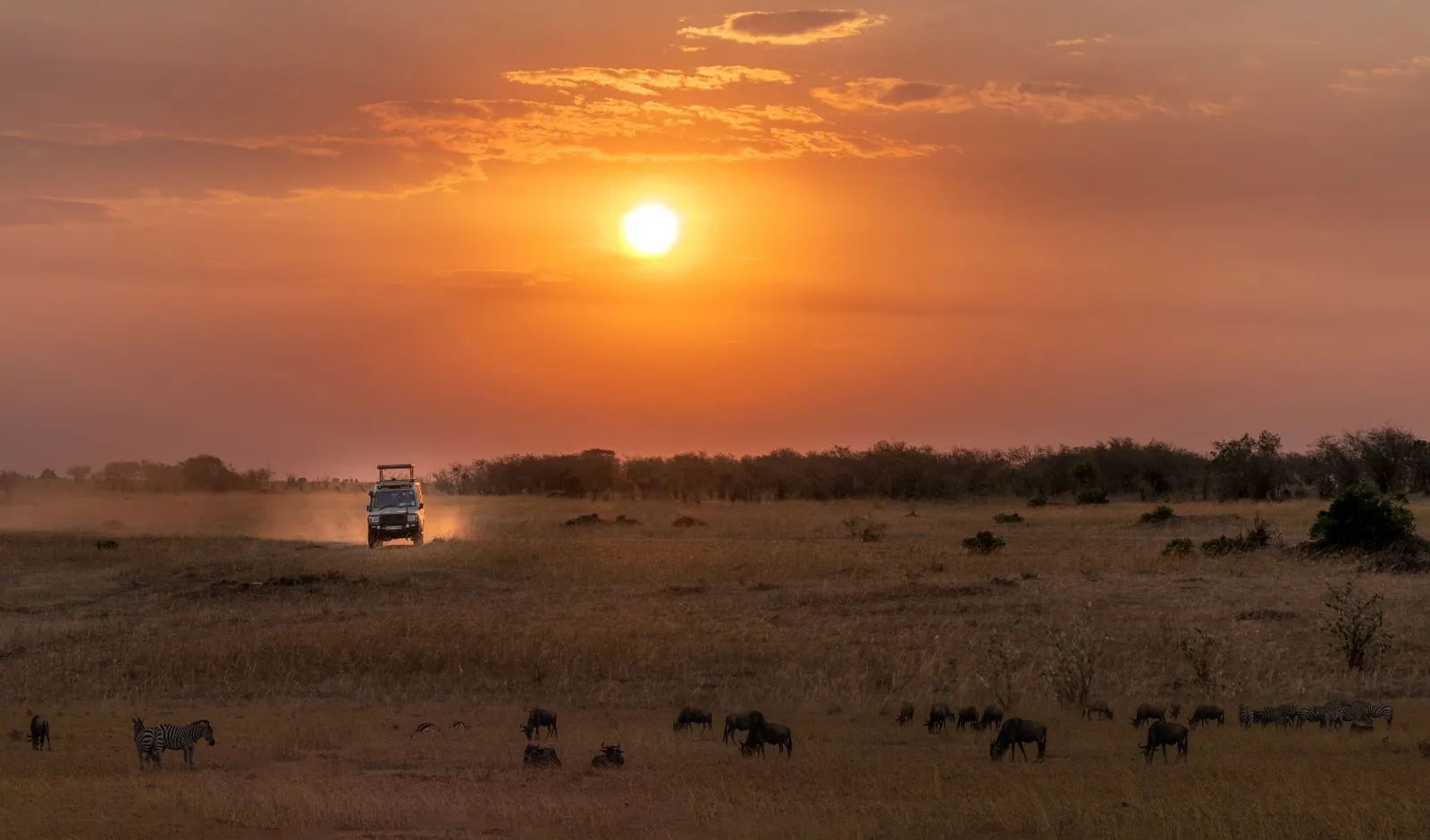
The best wildlife trip is not necessarily the one with the longest species list or the most remote setting. It is the one that fits what you want to see and how you want to travel. Start with the animals that excite you, then consider how active you want to be, how much time you have, and what kind of comfort or structure you prefer. These choices can narrow the destination options and help you build an itinerary that feels rewarding rather than rushed.
Start With Your Favorite Species
Make a short list of the animals you most hope to see, and separate must-sees from pleasant surprises. Then research where those species can be observed responsibly and during which seasons. A destination may be famous for wildlife, but that does not mean it is the best fit for a particular animal. Look for habitat information, seasonal movements, and the kinds of tours or viewing conditions available.
Think about how you want to encounter wildlife, too. You might prefer watching large mammals from a vehicle, looking for birds on foot, or visiting coastal habitats to observe marine life. Choose places and guides that follow local wildlife rules, keep appropriate distances, and avoid baiting or handling animals. Ethical viewing protects wildlife and often gives you a more natural experience.
Match the Activity to Your Energy
Wildlife trips range from easy-access viewing to days of hiking, paddling, or walking across uneven ground. Be honest about your fitness, mobility, and comfort in heat, cold, or humidity. Check how long excursions last, how far you travel between sightings, and whether the terrain includes steep paths or loose surfaces. Ask about vehicle access, rest breaks, and other arrangements before booking.
You do not have to choose between an active trip and a comfortable one. An itinerary can combine a guided walk with a slower day near a viewing area, or pair an early outing with an afternoon at your lodge. Build in recovery time, especially when travel involves long drives, altitude, or changing time zones. A realistic pace helps you stay attentive and enjoy each outing.
Fit the Itinerary to Your Time
For a short trip, limit the number of regions and focus on one habitat or wildlife experience. Each transfer takes time away from exploring, and tight connections can add stress. Check the full journey, including arrival, departure, and ground transportation, before deciding how many nights to spend in each place. A compact plan with time for repeat outings can be more satisfying than a long list of stops.
With more time, you can combine habitats or add a second destination, but leave room for weather and changing wildlife conditions. Sightings are never guaranteed, so avoid making one brief visit your only chance to see a priority species. Ask an experienced local operator how long visitors typically need for the activities you want, and plan a little flexibility into the schedule.
Choose a Travel Style That Fits
Decide whether you prefer a guided group, a private guide, or a more independent trip. Group tours can simplify logistics and bring structure, while private guiding allows more control over pace and interests. Independent travel may suit travelers comfortable arranging transport and adapting plans, but remote areas can require advance bookings, local expertise, or specialized equipment.
Consider your comfort preferences alongside your budget and priorities. Review accommodation location, meal arrangements, transport, group size, and what is included in each outing. If you are traveling with children or people with different interests, choose a plan with varied activities and downtime. Wildpath Travel can help travelers compare options, but these questions are useful whether you plan independently or with an agency.
Build your plan around the wildlife you care about, then check that the activity level, trip length, and travel style suit your needs. Confirm seasonal conditions and practical details before committing, and leave some flexibility for nature to set the pace. When you are ready to explore options, contact a knowledgeable wildlife travel planner to shape an itinerary around your priorities.